Nomadic Housing and Eco-Friendly Living
There was a time when a permanent address, a mortgage, and a residence loaded with personal belongings were treated as the natural endpoint of grown-up life. That story is loosening its grip. An expanding number of people are picking homes that move with them, shrink their impact, and lean on renewable resources instead of stretching facilities. This shift, commonly called nomadic housing, is not just a way of living pattern. It is quietly turning into one of the much more sensible solution to the twin pressures of real estate cost and ecological stress.
What Nomadic Housing In Fact Looks Like
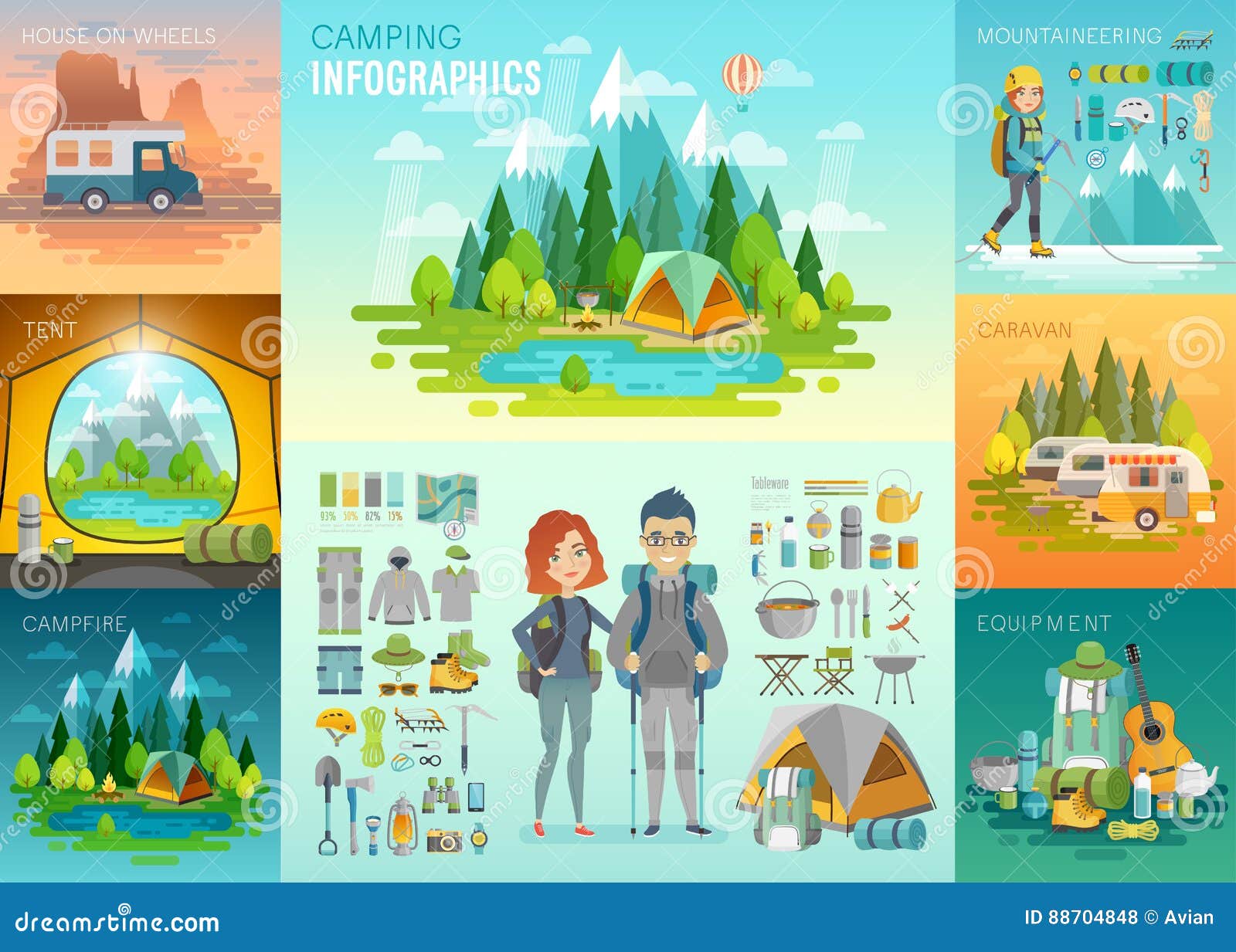
Nomadic real estate covers a vast array of structures: transformed vans and buses, small homes on wheels, yurts, modular coverings, and even watercrafts. What unifies them is flexibility and an intentionally small footprint. As opposed to a taken care of plot of land and a home built to last fifty years, nomadic residents invest in something that can be moved, disassembled, or repurposed as scenarios change. For some, this is an action to rising leas and stagnant earnings. For others, it is an aware denial of consumer build-up for experiences and liberty of activity.
The appeal is not simply philosophical. A tiny home on wheels can cost a portion of a conventional home, and living in a smaller area naturally visuals the impulse to fill it with things. Much less space indicates much less to warmth, less to cleanse, and less to buy.
Why This Activity Overlaps With Sustainability
Nomadic housing and green living tend to travel together, and the connection is not a coincidence. Little residences require less product to build and much less power to maintain. A 200-square-foot home just does not require the same heating or cooling tons as a 2,000-square-foot one. Many nomadic home builders additionally select recovered timber, recycled metal, and secondhand components, both to save cash and to decrease the demand for newly made products.
Off-grid capability is one more all-natural fit. Because nomadic homes are not connected to municipal power grids, their owners commonly turn to photovoltaic panels, composting commodes, and rain collection systems out of necessity as long as ideology. What starts as a useful service to living without connections winds up functioning as a really lower-impact way of life.
The Environmental Situation, Examined Honestly
It would certainly be easy to romanticize this way of living as an automated ecological win, but the picture is much more nuanced. Regular traveling, specifically by fuel-powered vehicles, carries its own carbon cost, and constructing a well-insulated small home still calls for power and products. The ecological advantage of nomadic housing comes less from the act of moving and a lot more from the underlying routines it urges: smaller sized space, careful resource use, and a reluctance to build up disposable items.
Because feeling, a family members living permanent in a small, solar-powered tiny home that rarely relocates might have a lighter footprint than somebody that moves regularly in a huge diesel motorhome. The mobility is a function of the way of living, not the resource of its sustainability.
Practical Tests Worth Understanding About
Any person drawn to by doing this of living need to go in with open eyes. Zoning regulations in lots of places were not composed with mobile or small homes in mind, and auto parking or land gain access to can be a consistent migraine. Financing is one more hurdle, because numerous lenders do not treat a house on wheels the same way they deal with a standard home loan. Water, waste, and power administration likewise demand extra hands-on focus than just paying a regular monthly utility bill. None of these barriers are impossible, however they require research and, usually, an area of knowledgeable nomads willing to share what they have found out.
An Expanding Community and Infrastructure
As even more individuals adopt this lifestyle, the support group around it are catching up. On the internet neighborhoods trade advice on every little thing from composting bathroom maintenance to locating lawful overnight parking. Some districts are beginning to update codes to suit little homes and van living. Off-grid solar glamping.tent sets, portable water purification systems, and small home appliances have come to be a lot more cost effective and a lot more efficient, making the sensible side of nomadic living significantly easier than it was a years ago.
Reassessing What a Home Requirements to Be
Nomadic real estate asks an easy yet sharp question: just how much area, and just how much things, does a good life actually need? For a growing variety of people, the straightforward answer is much less than traditional real estate presumes. Paired with calculated options around power, water, and materials, in this manner of living offers an engaging, if imperfect, version for minimizing environmental influence while acquiring a sort of freedom that a thirty-year home mortgage rarely gives. It will not change conventional real estate for the majority of people, but as a functioning example of what smaller, more deliberate living can resemble, it has currently proven its well worth.